‘AI artist’ Keepkwan uses technology to reimagine Korean tradition, letting AI renderings shape and complement, but not dictate, creative vision
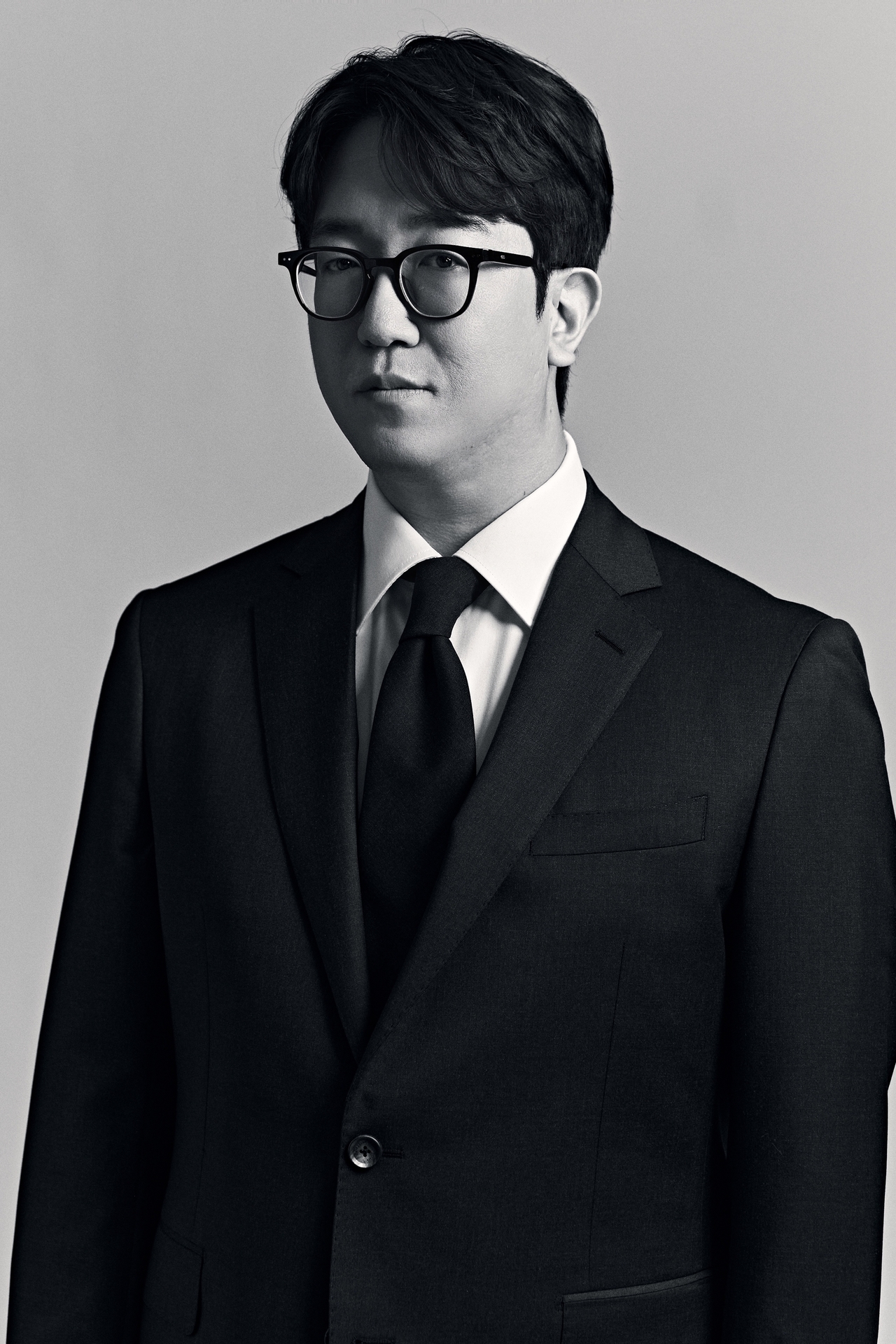
Artificial intelligence can generate polished images in seconds. For Yoon Seok-kwan, better known as “AI artist” Keepkwan, that is where the real creative process starts.
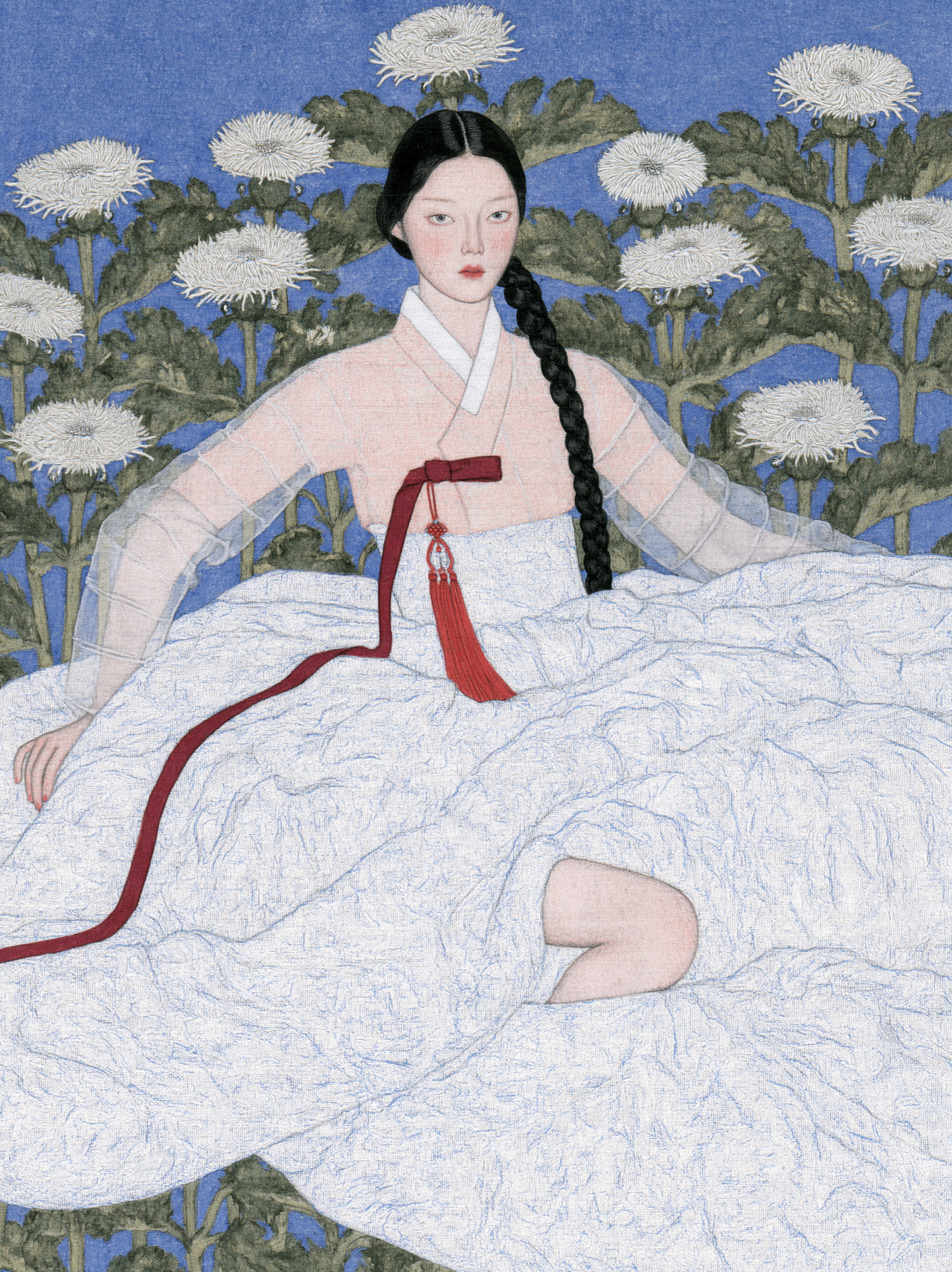
Yoon uses AI to reimagine Korean traditions in forms that go beyond the digital screen — from wearable interpretations of hanbok to visual works inspired by scent. His process is less about getting AI to produce a finished image than about seeing what he can do with what the technology gives him.
“AI can make something visually compelling, but only humans can add a touch of emotional depth to truly connect with people,” Yoon said in a written interview with The Korea Herald on Wednesday.
Yoon typically uses AI to generate initial ideas and images, but he does not simply accept the results. He draws on his own experiences and knowledge of Korean culture to select, alter and develop them into finished works.
“If I rely on AI to think for me, I risk losing sight of who I am and what I want to express as an artist,” he said.
That concern is reflected in his pseudonym, Keepkwan, which combines the English word “keep” with part of his Korean name.
“Preserving my identity as an artist means holding on to the ideas, choices and intentions that make the work of my own,” he said. “Creativity is becoming less about technical execution and more about the choices an artist makes. That is where the human role lies.”
Yoon describes his relationship with AI as an “asymmetrical collaboration,” comparing the artist to a conductor leading a group of highly skilled musicians.
“AI may be more technically capable and precise in some aspects, but the artist still sets the creative direction and makes the final call,” Yoon noted.
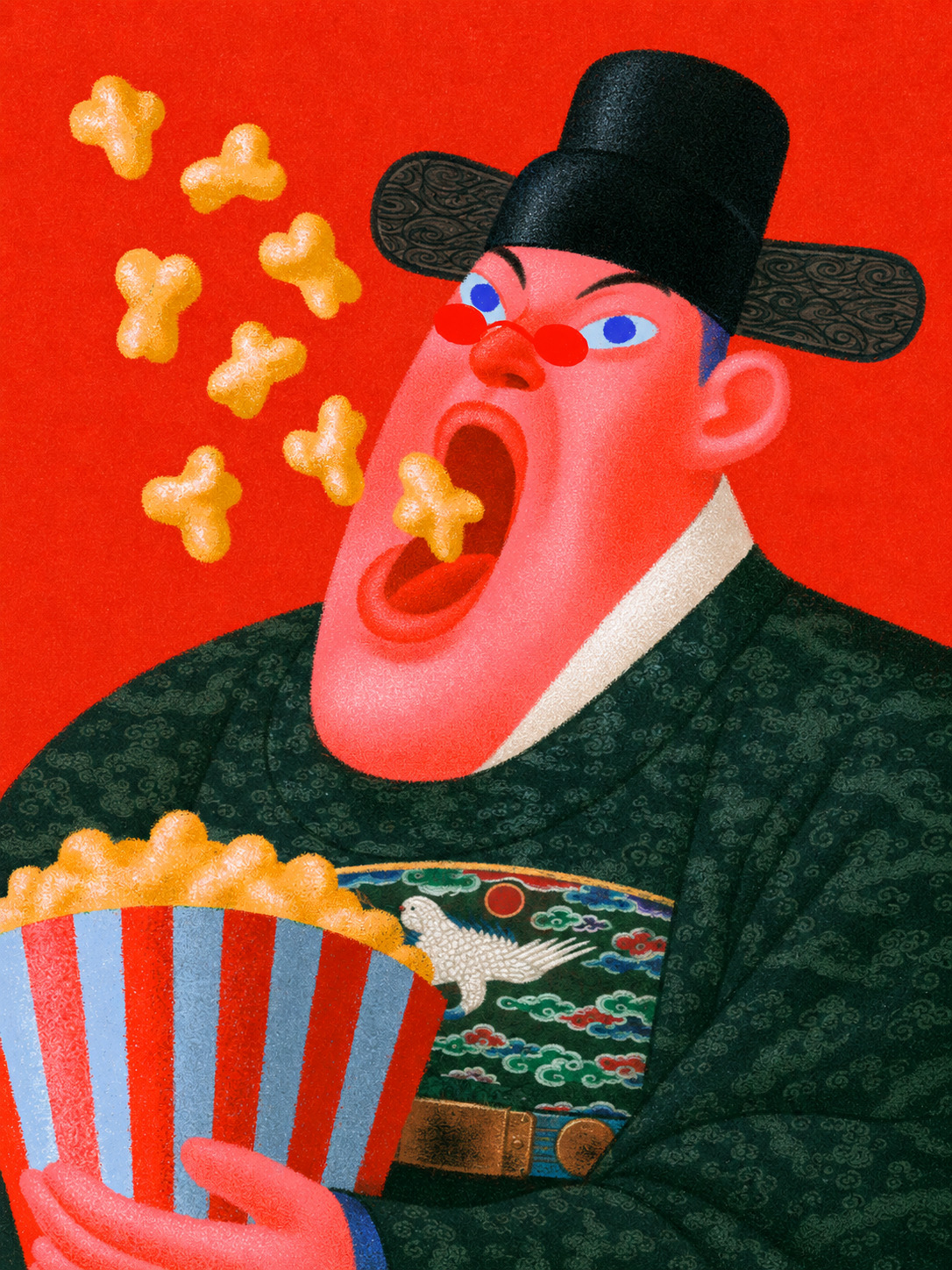
Yoon also finds value in results that do not turn out as planned. For example, when he uses AI to place traditional Korean imagery in contemporary settings, the technology sometimes misinterprets his prompts. But those unexpected results can lead his work in directions he might never have explored on his own.
He welcomes such surprises as sources of inspiration, but the decision to use them remains his. And that judgment matters when his work draws on Korean heritage.
“AI can sometimes mistake hanbok for Japanese or Chinese clothing, largely because it has been exposed to far less information about Korean culture,” Yoon explained, stressing that historical accuracy is essential to his work.
He pays close attention to details such as how hanbok is constructed and the rules of "dancheong" — the decorative patterns painted on traditional wooden buildings.
“I don’t see my role as correcting AI-generated inaccuracies. I use my knowledge of Korean tradition to present it in new forms that people today can understand and connect with,” Yoon said.
He pointed out that artists who draw on cultural traditions must first understand them, rather than solely rely on AI to fill in the gaps.
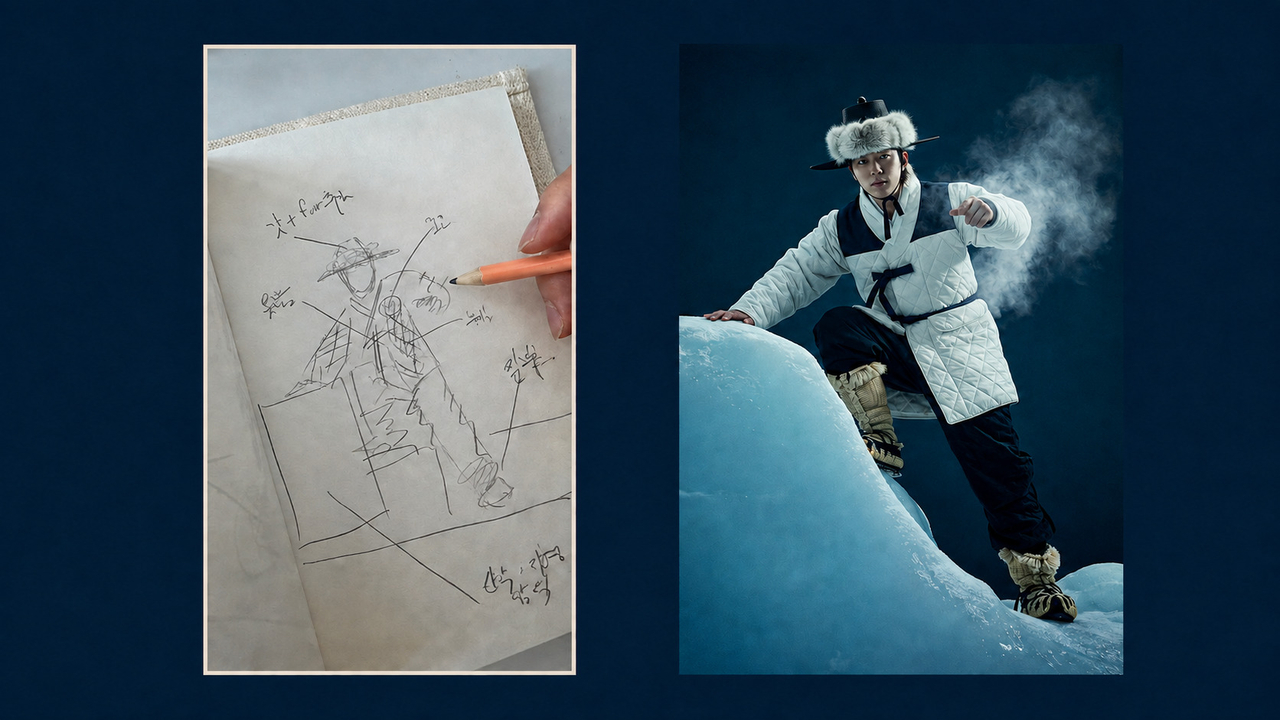
Yoon extends that approach to what he calls “omnisense content,” turning AI-generated images into objects that people can touch, wear or even experience through scent. Unlike a digital image, a physical work must deal with creasing fabric, resistant materials and the effects of gravity.
For Yoon, the finished piece does not need to reproduce the original AI image exactly. Those differences are what make it original.
“If the physical work looked exactly like the original image, it would be nothing more than a copy,” he said. “The changes that occur along the way allow me to make it my own and give others something they can experience for themselves.”
Working with physical materials also allows Yoon to make creative choices that go beyond what AI initially generates. The changes that emerge in the process leave room for viewers to interpret the work through their own memories and experiences.
“The exchange between the artist and the audience is what gives a work its emotional power,” Yoon said.
Yoon did not take the traditional route into art. After studying business administration in college, he spent 12 years working in corporate strategy before leaving to pursue two goals: creating art with AI and teaching others how to use the technology without losing their own creative voice.
Yet even as AI made his work faster, Yoon has resisted the pressure to produce more. Instead, he has turned to ceramics and bonsai -- cumulatively and communally designed and maintained over time, where progress depends on working his hands, understanding the materials and learning to wait.
“AI may save us time, but that does not mean we will use it to think more deeply. We still have to decide what to do with that time.”
Protecting one’s identity does not mean resisting change, according to Yoon. It means continuing to question oneself, recognizing what does not feel right and remaining open to new experiences.
“AI may learn from the choices I have made in the past. But it cannot decide what I will ask next, or who I will become.”
Yoon will further explore the idea in a talk titled “Human Mode On” at this year’s Herald Design Lounge, to be held on Oct. 2 at Dongdaemun Design Plaza in Seoul.
Held under the theme “Beyond Visuals,” the event will bring together leading figures in graphic design, architecture, AI and related fields to discuss how design shapes emotion and experience, as well as the relationship between people and technology.
junheee@heraldcorp.com